Tokyo Pulse
Tokyo’s Hidden Early Summer: Irises at the East Gardens of the Imperial Palace
May
Just a few weeks after Tokyo’s famous cherry blossoms disappear, another seasonal beauty quietly arrives in the heart of the city.
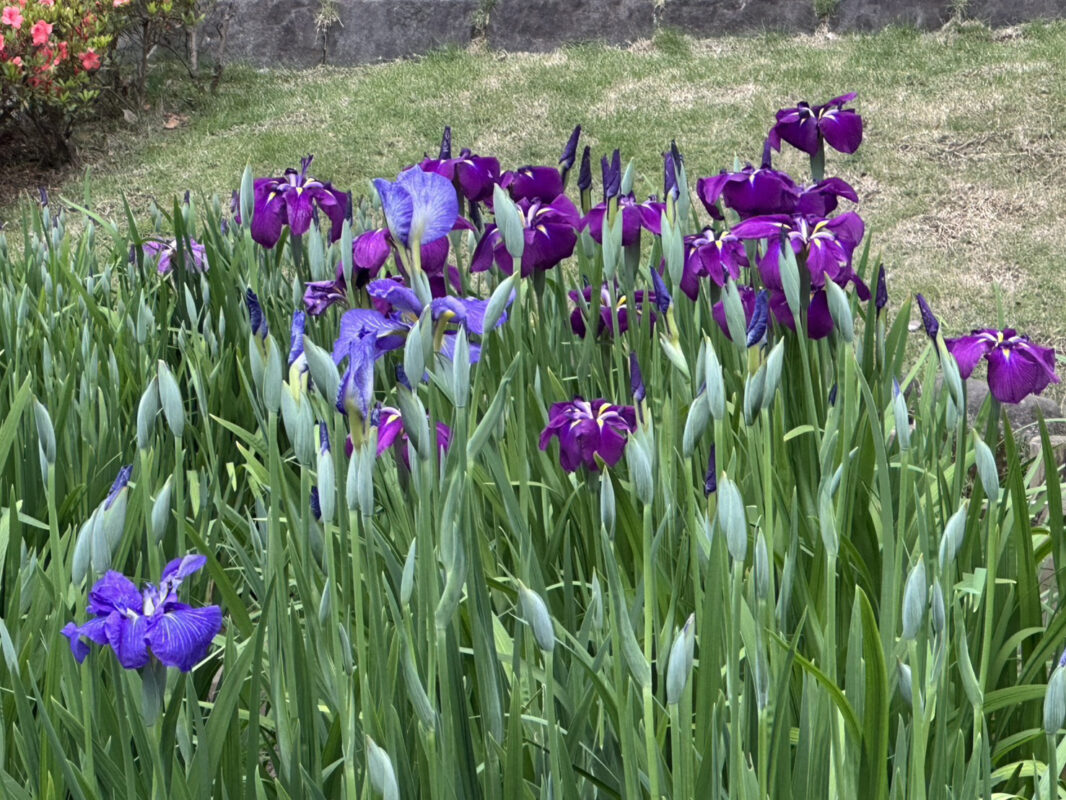
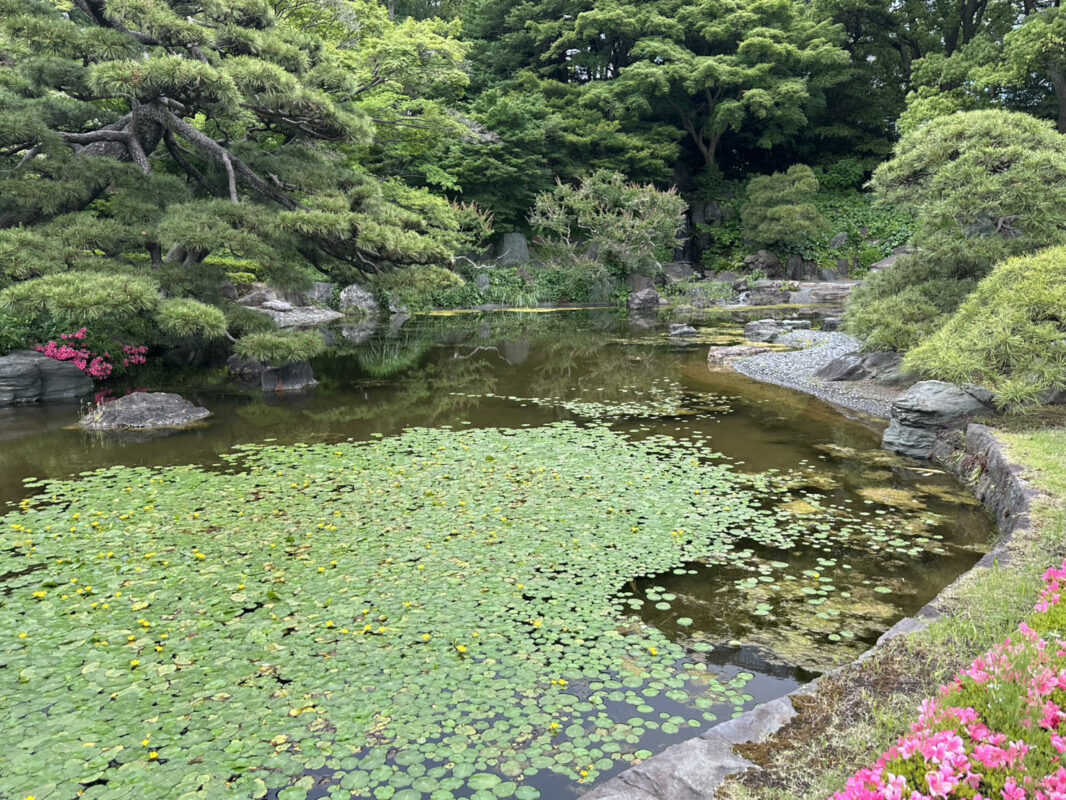
At the Ninomaru Garden inside the East Gardens of the Imperial Palace, deep purple Japanese irises begin to bloom beside tranquil ponds covered with water lilies. Framed by carefully sculpted pine trees, stone bridges, and the remains of Edo Castle, the scenery feels far removed from the skyscrapers surrounding Tokyo Station
A Quiet Early Summer Escape in Central Tokyo
The East Gardens occupy part of the former Edo Castle grounds and are one of the few sections of the Imperial Palace open freely to the public.
While spring cherry blossoms attract enormous crowds across Tokyo, early summer at the East Gardens feels noticeably calmer. Visitors can slowly wander through the Ninomaru area, where irises bloom around the ponds and narrow waterways. The flowers usually begin appearing from late May into June, creating vivid purple accents against the fresh green of the season.
In Japanese culture, irises are strongly associated with early summer and have long been appreciated in traditional gardens. At the East Gardens, they bloom beside ponds filled with floating water lilies, whose small yellow blossoms quietly spread across the surface of the water.
Where History and Nature Meet
One of the most striking aspects of the East Gardens is the contrast between history and nature. The grounds once formed the innermost defensive circles of Edo Castle, the political center of Japan during the Tokugawa shogunate.
Today, the same area offers peaceful walking paths, reflective ponds, stone bridges, and seasonal flowers in the middle of modern Tokyo. Carefully shaped pine trees lean over the water while the ruins of old castle structures quietly remain in the background.
Unlike many famous Tokyo sightseeing spots, the East Gardens still feel surprisingly spacious and relaxed, even during popular flower seasons.
A Different Side of Tokyo After Sakura Season
For photographers, this season is particularly rewarding. The soft light of overcast early summer days enhances the saturated purple tones of the irises, while the still water creates mirror-like reflections beneath the surrounding greenery. Unlike cherry blossom season, visitors often have entire corners of the garden almost to themselves.
The East Gardens are located only a short walk from Tokyo Station and Otemachi Station, making them an easy addition to any Tokyo itinerary. Admission is free, though the gardens are closed on Mondays and Fridays in most weeks.
Tokyo is often associated with neon lights and dense urban energy, but places like the East Gardens reveal another side of the city — one shaped by seasonality, quietness, and centuries of history. For travelers visiting Japan after sakura season has ended, the iris bloom offers a beautiful reminder that Tokyo’s changing landscapes continue long after spring fades.
Photos taken at the East Gardens of the Imperial Palace, Tokyo, May 2026.