Tokyo Pulse
Kagurazaka Awa-odori Fills Tokyo’s Historic Streets with Summer Spirit
Aug
On July 24, the annual Kagurazaka Awa-odori was held as part of the Kagurazaka Matsuri, transforming the neighborhood’s narrow streets into a lively stage of traditional music and dance.
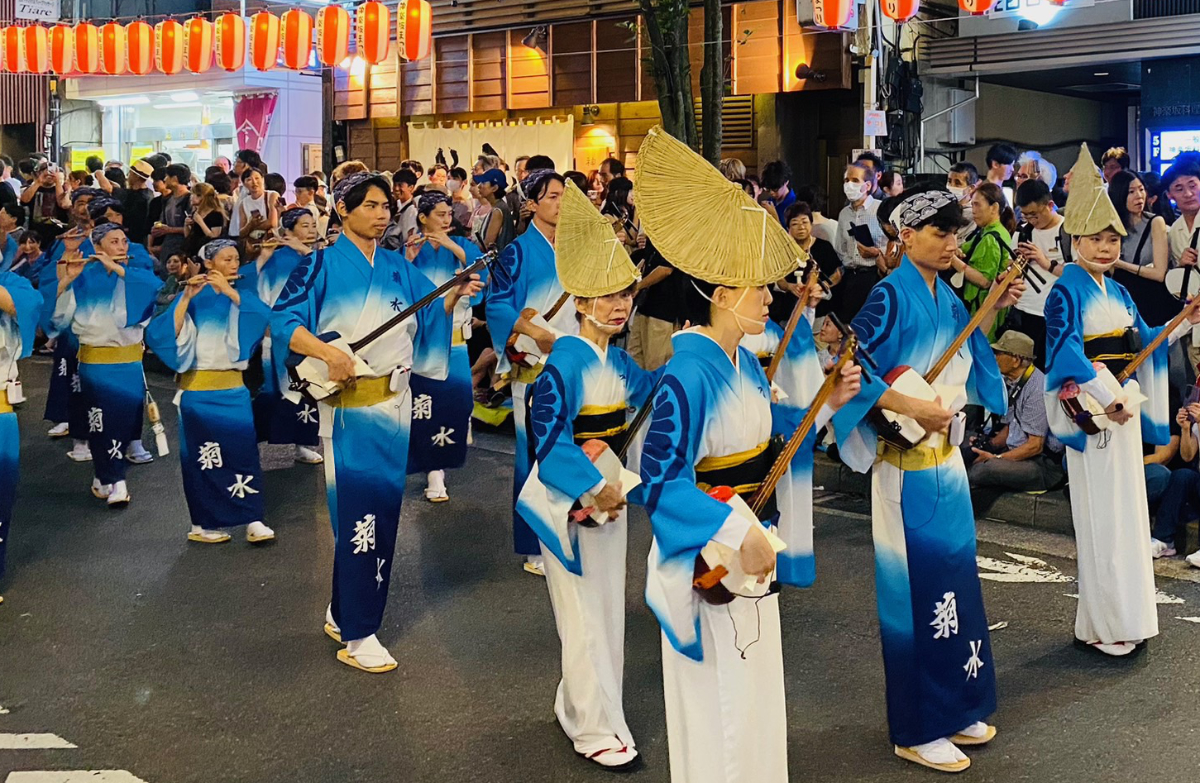
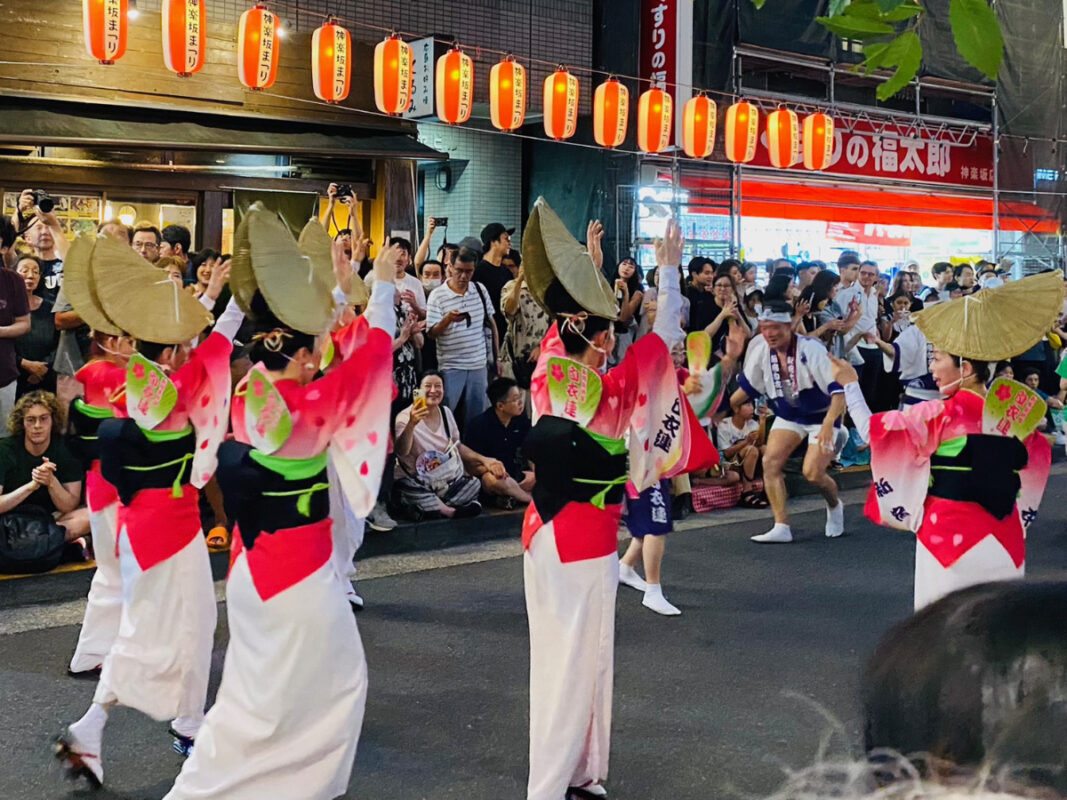
This year’s festival featured 21 dance groups (ren), each bringing its own style and energy to one of Japan’s best-loved summer traditions. The procession was accompanied by the unmistakable sounds of shamisen, flutes, taiko drums, and kane bells, while dancers in colorful costumes performed the graceful yet energetic movements that originated in Tokushima over 400 years ago.
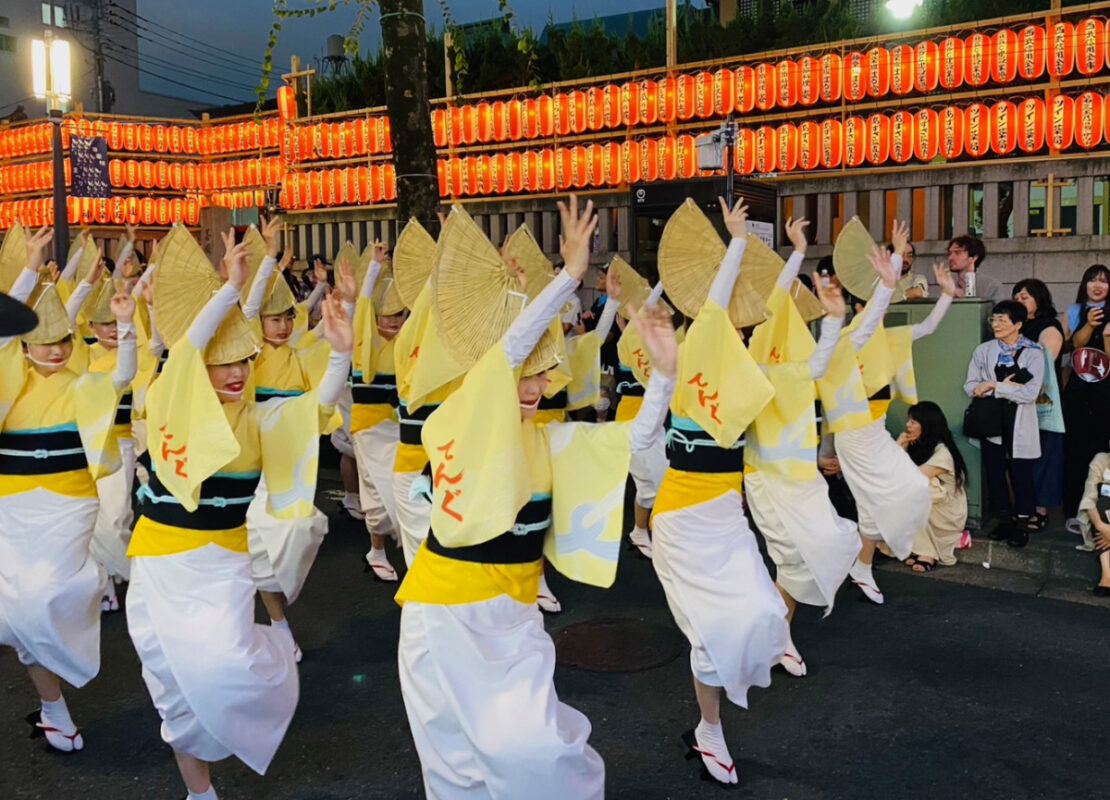
One of the evening’s most heartwarming attractions was the Kodomo Awa-odori, where children performed alongside the adults. Their enthusiastic dancing drew large crowds and plenty of applause, making it one of the festival’s highlights.
Many visitors are familiar with Koenji Awa-odori, Tokyo’s largest Awa-odori festival, which attracts around 10,000 dancers and one million spectators every summer. Kagurazaka’s event is much smaller, but that is exactly what gives it its charm. Spectators can stand just a few meters from the performers, hear every beat of the drums, and feel the excitement as each ren passes by. The result is a warm, intimate atmosphere that is difficult to experience at larger festivals.
Set against Kagurazaka’s lantern-lined streets, historic alleyways, and traditional restaurants, the festival offers visitors a wonderful glimpse into Tokyo’s local community spirit. It is an ideal summer event for travelers looking to experience Japanese culture beyond the city’s major tourist attractions.
If you happen to be in Tokyo in late July, Kagurazaka Awa-odori is well worth adding to your itinerary. It may not be Tokyo’s biggest dance festival, but its welcoming atmosphere and close connection between performers and spectators make it one of the city’s most memorable summer experiences.